
Panniculectomy
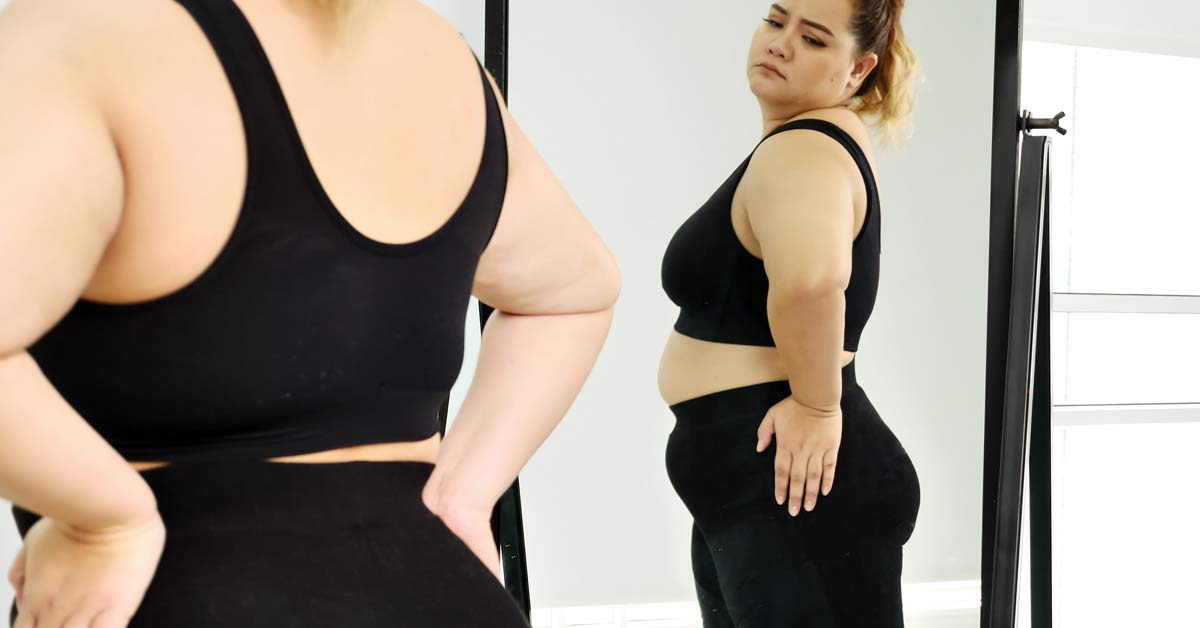 Excess skin in the lower abdomen can do more than change how you look. It can make daily life uncomfortable. You may deal with irritation, rashes, or trouble keeping the area clean and dry. It can even affect movement and posture.
If you’re considering a panniculectomy, you’re likely trying to find relief from these ongoing issues. Removing excess skin can help reduce irritation, improve hygiene, and make movement more comfortable.
What Is a Panniculectomy Procedure?
A panniculectomy is a surgical procedure that removes excess skin and tissue from the lower abdomen. This overhanging tissue is often called an apron belly. It can develop:
- After significant weight loss
- With weight gain
- After pregnancy
- With age
When skin has been stretched for a long time, it may not tighten the way it used to. As a result, excess skin can remain even after weight changes.
A panniculectomy addresses physical problems caused by this extra tissue. Skin folds can trap moisture, which may lead to:
- Irritation
- Recurrent rashes
- Infections
- Difficulty with hygiene
The added weight can also affect posture and movement. Removing it may help reduce these issues.
Panniculectomy vs. Tummy Tuck: What’s the Difference?
A panniculectomy and a tummy tuck are not interchangeable procedures.
A panniculectomy removes excess skin and tissue from the lower abdomen. It doesn’t tighten abdominal muscles or reshape the midsection. The focus is symptom relief.
A tummy tuck, also called an abdominoplasty, removes excess skin, tightens abdominal muscles, and reshapes the waist. Because of that added step, it’s usually considered cosmetic.
Who Is a Good Candidate for a Panniculectomy?
You may be a candidate if you have:
- Significant weight loss with persistent overhanging skin
- Recurrent rashes, infections, or skin irritation beneath the fold
- Difficulty keeping the area clean and dry
- Discomfort or limits with walking, movement, or exercise
Weight stability is an important part of planning. Surgeons usually want to see that your weight has been steady before moving forward.
What Happens During a Panniculectomy Procedure?
Medication is used to keep you comfortable during the procedure. This may include IV sedation or general anesthesia.
A panniculectomy uses a horizontal incision along the lower abdomen, usually placed just above the pubic hairline. The length depends on how much excess skin is present. In some cases, a vertical incision may also be needed.
The surgeon removes excess skin and closes the remaining tissue with sutures.
After surgery, you may notice swelling, tightness, and a pulling sensation. Drains are often placed to prevent fluid buildup and may stay in place for several days to a couple of weeks. You will likely wear a compression garment to support healing and reduce swelling.
Panniculectomy Recovery: What to Expect
The first week focuses on rest and light movement. You’ll be encouraged to walk short distances early to support circulation, though daily tasks may feel slower at first.
Pain is usually manageable with medication and improves over one to two weeks. The sensation often shifts from soreness to tightness before easing.
By weeks two and three, many people feel more comfortable doing light daily activities. Lifting, core movement, and anything that strains the abdomen are still limited.
Swelling can last several weeks or longer and often improves gradually. The lower abdomen may feel firm or uneven at times, which is a normal part of healing.
The incision will probably leave a permanent scar. Over time, it typically fades and softens.
Follow-up visits help monitor healing and address any concerns. Staying consistent with these visits helps keep recovery on track.
Does Insurance Cover a Panniculectomy Procedure?
Insurance coverage for a panniculectomy is based on medical necessity, not appearance. Approval is not automatic, even after significant weight loss.
To qualify, you must show that excess tissue is causing ongoing medical problems or affecting daily function.
Most insurance plans require a combination of:
- Recurrent rashes, infections, or skin breakdown that continue despite treatment
- Proof of prescription treatment for at least 3 months without lasting improvement
- Photos showing the extent of the pannus
- A pannus that extends below the pubic bone
- Problems with hygiene, movement, or daily activities
Many insurers also require your weight to stay steady for several months before surgery.
Considering a Panniculectomy in Barrington, IL?
If excess abdominal skin is affecting your comfort, hygiene, or mobility, a panniculectomy may be a practical next step. It can help reduce skin issues and make movement more comfortable.
At Stephen Madry’s practice in Barrington, IL, your situation is evaluated to determine whether you meet medical criteria and what approach fits your goals.
Schedule a consultation today to learn more about panniculectomy and what your next steps could look like.
Panniculectomy FAQs
1. How much weight is removed during a panniculectomy?
The amount of tissue removed varies. In some cases, it may be a few pounds. In others, especially after significant weight loss, it can be more. The exact number is less important than how much your symptoms improve after surgery.
2. Will a panniculectomy help with back pain?
Some people notice less lower back discomfort after surgery because the weight and pull of the excess tissue are reduced. However, a panniculectomy is not a direct treatment for back conditions.
3. Can excess skin come back after a panniculectomy?
The removed tissue does not come back. However, future weight gain or additional skin stretching can lead to new loose skin over time.
Keeping your weight stable can help maintain your results.
4. How long does it take to recover from a panniculectomy?
Most people can return to light daily activities within two to three weeks. Full recovery, including swelling and healing, may take several weeks to a few months. Your timeline depends on how your body heals and how closely you follow post-surgical instructions.
“Dr. Madry gave me a body of an 18 year old at 41… He did an amazing job on my tummy tuck and I am extremely happy. If I ever need PS again, he will be who I go to!!” – MQ