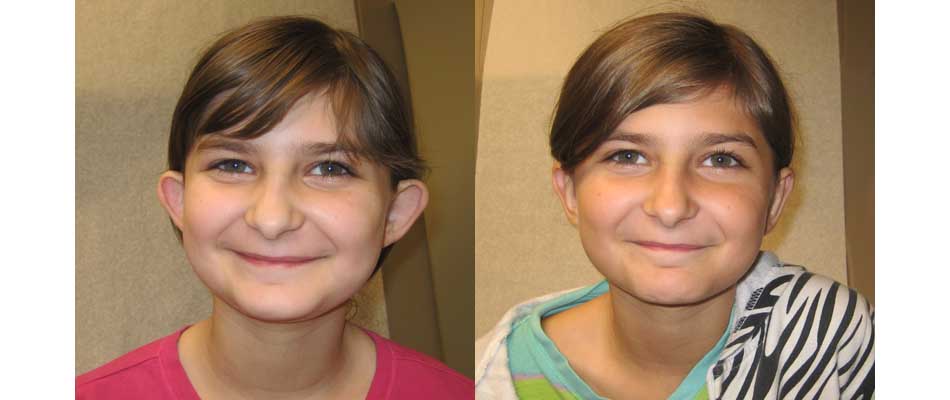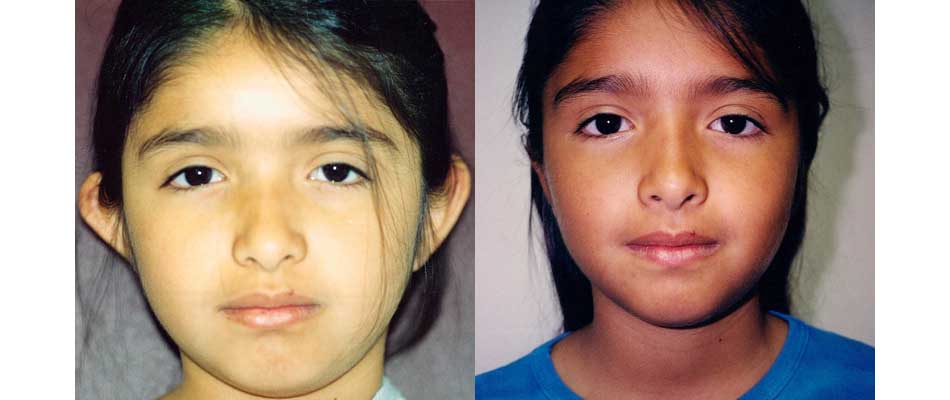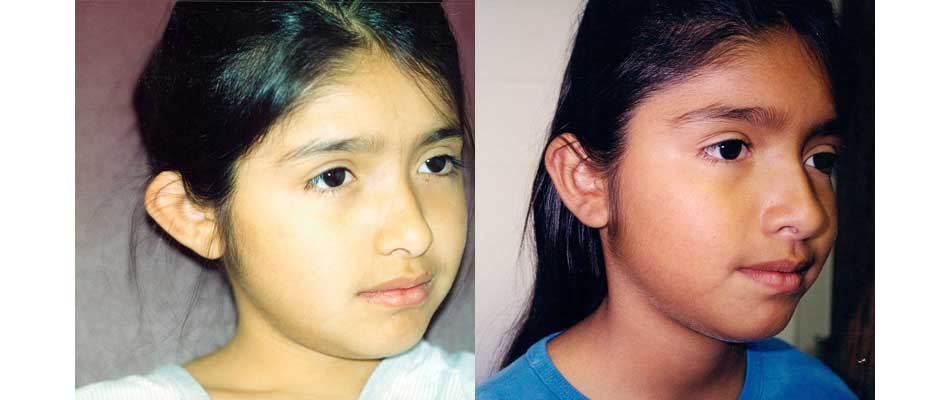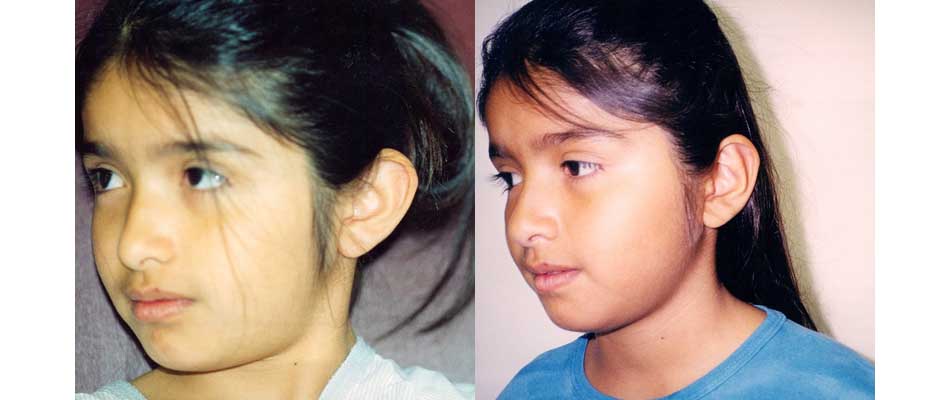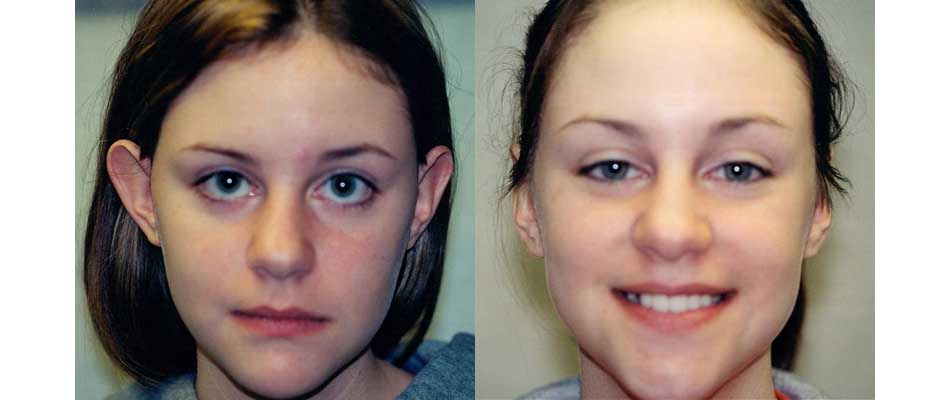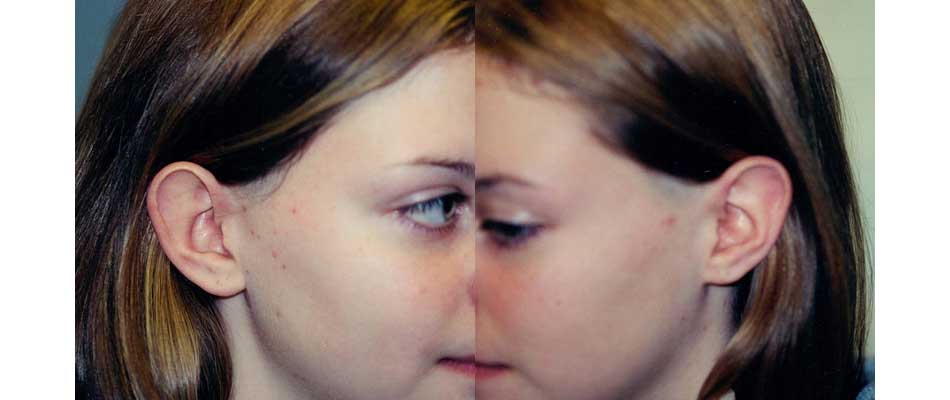
Otoplasty in Barrington, IL
What is Otoplasty?
Otoplasty surgery, also called ear pinning, is surgery to change the structure of the ear. It may alter the shape, size, or position of the ear. Although it is often done for cosmetic reasons, it can also be for medical reasons.
Otoplasty is a safe procedure for children and adults that can provide a more proportionate and symmetrical look, relieving some anxiety and boosting self-esteem.
Dr. Stephen Madry offers otoplasty in Barrington, IL, serving patients throughout the greater Chicago area including cities like Lake Barrington, Palatine, Schaumburg, Arlington Heights, and Lake Zurich.
Patients often consider otoplasty if they're unhappy with:
- Prominence – how far their ears stick out from the head
- Shape – due to injury or present at birth
- Size – ears that seem too large for the head
- Results of a previous surgery
The most important factor in any cosmetic surgery is your reason for having the procedure. Cosmetic surgery can change how you see yourself and boost your self-confidence, but it's important that you choose it to make yourself happy – not to meet anyone else's expectations.
See also: 13 Most Common Cosmetic Procedures
What Does Otoplasty Treat?
Otoplasty reshapes or repositions the ears to create a new shape or bring them closer to the head. It doesn't affect hearing or change the location of the ears.
It can adjust:
- Ears that protrude too much
- Large ears that seem disproportionate to the head
- The shape of the ears, due to injury or present at birth
- Unfavorable results of previous surgery (adults)
Who is a Good Candidate for Otoplasty?
Otoplasty is safe for children and adults. It is generally not performed until the ears have grown to full size, typically around five or six years old.
Children
A good candidate is a child who:
- Is in good overall health, with no untreated chronic ear infections
- Has stable, fully-grown ear cartilage
- Is cooperative and able to follow instructions
- Wants the surgery and is able to communicate their feelings
Who is a Good Candidate for Otoplasty?
Otoplasty is safe for children and adults. It is generally not performed until the ears have grown to full size, typically around five or six years old.
Children
A good candidate is a child who:
- Is in good overall health, with no untreated chronic ear infections
- Has stable, fully-grown ear cartilage
- Is cooperative and able to follow instructions
- Wants the surgery and is able to communicate their feelings
Adults and teens
A good candidate is a person who:
- Is in good overall health with no medical conditions that can affect their healing
- Has a positive outlook and realistic expectations for the results of surgery
- Does not smoke
- A good candidate is a person who:
- Is in good overall health with no medical conditions that can affect their healing
- Has a positive outlook and realistic expectations for the results of surgery
- Does not smoke
Risks of Otoplasty
Like any surgery, otoplasty has the potential for complications, including:
- Allergic reaction to surgical materials
- Anesthesia reactions
- Asymmetrical results
- Bleeding
- Blood clots
- Changes in skin sensation (usually temporary)
- Complications with stitches
- Infection
- Irregularities in skin color or contour (overcorrection)
- Pain, sometimes persistent
- Poor healing
- Scarring
- Swelling
Your doctor will discuss the possible risks at your consultation and answer your questions.
The Otoplasty Procedure
At your initial consultation, you and your doctor will talk about your medical history, medications, and expectations for surgery. You'll also have a physical exam that might include taking pictures of your ears. If you smoke, your doctor may ask you to quit. Smoking can impair healing.
Before surgery, you may be asked to stop taking certain medications for a few days and to bring a driver with you to your surgical appointment.
The day of your surgery:
- You may be given general anesthesia or IV sedation.
- Your doctor will make incisions in the inner creases or on the backs of your ears.
- He may remove extra cartilage or skin.
- He'll then fold and stitch cartilage into its new position. You will have internal and external stitches.
- Your ears will be bandaged and covered for support and protection.
Recovery
It's essential for your best results that your ears stay bandaged for a few days after surgery. If you remove them too soon, you may lose some of the intended results. When your doctor removes the bandages, you'll notice your results immediately but may also have some swelling and redness.
You'll need to take care not to put pressure on or rub your ears and must protect your ears while sleeping for a few weeks.
Your doctor will give you specific instructions on things like medications, follow-up care, and when you may return to your daily activities. It is critical to follow the instructions exactly to prevent complications or unwanted results.
Otoplasty Cost
Otoplasty cost depends on various factors, like:
- Anesthesia
- Any required medical tests
- Prescriptions
- Surgery location
- Your surgeon's fee
Most insurance companies don't cover elective surgery or related complications but may cover surgery done to correct a congenital abnormality. It's a good idea to talk to your insurance company before scheduling surgery so you understand the financial implications of the procedure.
Schedule a Free Consultation Today
If you're ready to learn more about otoplasty, schedule a free consultation with Dr. Madry. We welcome patients from Lake Zurich, Lake Barrington, Algonquin, and the greater Chicago area.
Otoplasty FAQs
Is otoplasty covered by insurance?
Otoplasty is usually considered a cosmetic procedure and is not typically covered by insurance. However, coverage may be possible if the surgery is performed to correct a congenital defect, injury, or functional problem. Our office can help you review your individual situation.
Can I sleep on my side after otoplasty?
After otoplasty, patients are usually advised to avoid sleeping on their side for several weeks to protect the ears while they heal. Sleeping on your back with your head elevated helps reduce swelling and prevents pressure on the ears. Your surgeon will provide detailed post-operative instructions based on your procedure.
Where can I schedule an otoplasty consultation?
Free consultations are available at Dr. Stephen Madry’s Barrington, IL office. Dr. Stephen Madry offers otoplasty in Barrington, IL, serving patients throughout the greater Chicago area including Lake Barrington, Palatine, Schaumburg, Arlington Heights, and Lake Zurich. Contact the office today to schedule your personalized consultation.